🏗️
Debris Hauling
Fast construction debris removal for job sites, renovations, and new builds.
Fast construction debris removal for job sites, renovations, and new builds.
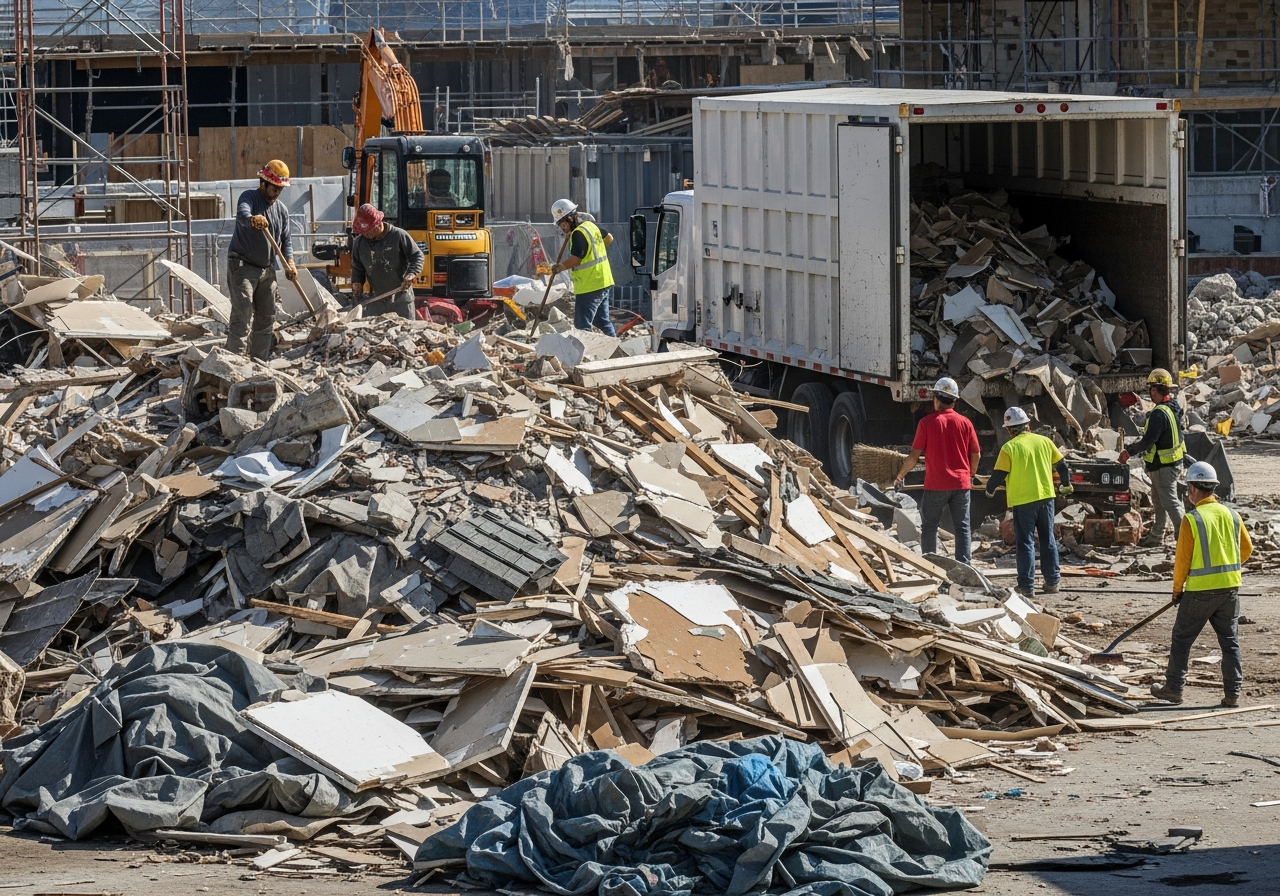
Keep your project on schedule with same-day debris hauling. We handle drywall, lumber, concrete, roofing materials, and general construction waste. Our trucks can handle loads of all sizes across Minneapolis and St. Paul.
Junktastic handles the lifting, loading, hauling, disposal sorting, and final sweep-up for debris hauling jobs. We quote before the work starts, protect the property while moving items out, and separate reusable or recyclable material whenever the load allows it.
Most customers call when they need same-day junk removal, commercial cleanout help, or a crew that can clear bulky items without renting a dumpster. We serve Minneapolis, St. Paul, Bloomington, Plymouth, Maple Grove, Edina, and the surrounding Twin Cities communities.
Debris hauling works best when materials are gathered in one accessible area or clearly separated by room, driveway, garage, or jobsite zone. Junktastic can help with many non-hazardous remodel and cleanup loads, but regulated materials need to be identified before the crew arrives.
If timing matters, call early and describe the deadline. Junktastic can compare the requested pickup with crew availability, truck space, item type, and access before confirming the best next step.
Tell us what you need hauled. We'll give you an honest price on the spot , no surprises.
Our crew arrives in the window we promised. We do a quick walkthrough and confirm the price before we touch anything.
We handle all the heavy lifting, sweep up when we're done, and sort for recycling and donation. You don't lift a finger.
Same-Day
Service Available
Flat Rate
No Hidden Fees
Eco-Friendly
Recycle & Donate
Hauling Guidance
Debris hauling is useful when a project leaves material behind but a dumpster is not the right fit for the amount, access, timing, or property. Junktastic can haul non-hazardous debris from home projects, rental turnovers, small jobsite cleanups, garage work, basement cleanup, landscaping, and renovation preparation. The customer should describe what the debris is made of because wood, drywall, tile, cabinets, brush, bagged trash, metal, and mixed household junk all load differently.
Before scheduling, group debris where it can be reached safely. Sharp pieces, nails, screws, broken tile, splintered wood, and loose hardware should be contained or stacked so the crew can load without searching through scattered material. If debris is inside, protect the path by moving furniture, rugs, and personal items away from the route. If debris is outside, keep it clear of parked cars, neighboring property, public sidewalks, and drainage areas.
Photos should show the full pile, the largest pieces, and the loading path. A small pile of light packaging can fit into a quick pickup, while heavy tile, wet material, dense wood, or long carries from a backyard may require a different plan. If the debris is upstairs, in a basement, behind a fence, down a hill, or in a tight alley, include that in the quote request.
Junktastic serves Minneapolis, St. Paul, St. Cloud, Monticello, Buffalo, Mound, Minnetonka, Hopkins, Eden Prairie, Shakopee, Blaine, Lakeville, Waite Park, Becker, Big Lake, Edina, Bloomington, Plymouth, Maple Grove, and Burnsville, and same-day service may be available when the route and truck space allow. Debris hauling can overlap with construction debris removal, yard waste removal, garage cleanout, or junk removal, so use plain descriptions instead of trying to choose the perfect category. The crew can help match the request to the right service path once they know the material and access.
The site describes flat-rate pricing and quote-before-loading practices. That quote can depend on volume, weight, loading distance, item type, and disposal needs. Hazardous or regulated material such as paint, chemicals, fuels, asbestos, medical waste, and similar materials should be discussed before pickup because they may require different disposal. Recycling or sorting is easier when clean metal, cardboard, reusable items, and other separable material are not mixed into wet or contaminated debris.
Tell Junktastic whether the debris is wood, drywall, tile, cabinets, brush, metal, packaging, bagged clutter, or a mixed pile.
Stack or group debris where the crew can safely load it without blocking sidewalks, neighbors, vehicles, or finished surfaces.
Heavy tile, wet debris, concrete-like material, long boards, and basement carries should be mentioned before the truck is scheduled.
Debris hauling requests are easiest to quote when the material is grouped by type. Keep wood together, keep cardboard or packaging separate, keep metal pieces visible, and avoid mixing wet yard material with indoor debris unless the entire pile is meant to be hauled together. If bags are used, do not overload them so heavily that they tear during lifting. For loose debris, stack it where the crew can see the total amount without digging through a corner or shed.
If the debris came from a weekend project, explain whether the project is finished or whether more material may be added before pickup. A changing pile can change truck space, labor, and disposal planning. If the debris is near a curb, driveway, alley, garage, basement, or backyard, describe that location accurately. Junktastic can then confirm the quote before loading and avoid surprises about access, weight, or the amount of material approved for removal.
For small project cleanup, it is useful to decide whether Junktastic is hauling only the debris pile or also related junk nearby. Buckets, tarps, tools, unused materials, and personal property can sit close to debris without being part of the job. Point those items out during the walkthrough so the crew can load confidently and leave the work area organized.
A useful debris description includes the material type, approximate pile dimensions, location on the property, and any access limitations. Yard material, household debris, renovation waste, and storm cleanup loads require different handling, so photos and a straightforward inventory make the first conversation more productive. Keep items that must remain outside the pickup pile and mark any boundary that might be unclear. Bag or contain small loose pieces when it is safe to do so, and keep sharp edges away from walkways. Before the crew arrives, open necessary gates, move parked vehicles, and provide any building or property access instructions. If the debris is changing as work continues, update Junktastic before pickup so the crew can account for the current load instead of an earlier estimate.